How to Fix a Carabiner: Field Repairs, Cleaning, and When to Retire It Instead
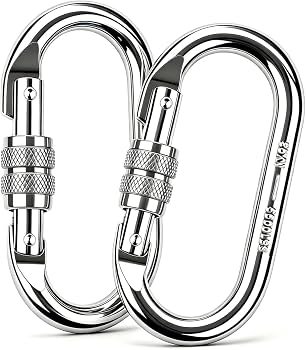
Most carabiner problems (sticky gates, dirt, mild corrosion) are fixable with warm water, a soft brush, and silicone lube. Anything past that, a bent gate, a deformed spine, sharp burrs, a rope groove pushing 1mm, or a hard fall onto rock, and the carabiner is done. You retire it. You don’t file it, weld it, or swap parts on it. That’s the entire framework.
How to Read a Climbing Carabiner: Every Marking Decoded
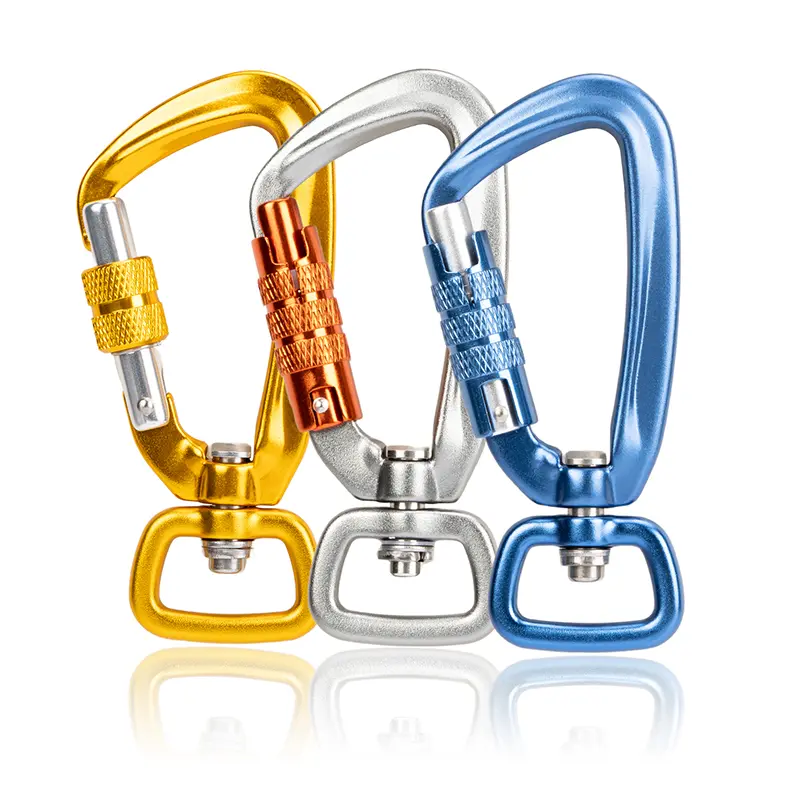
A carabiner’s markings tell you three things: how strong it is (in kN), how it’s certified (CE and UIAA), and when it was made. The three kN numbers on the spine show strength along the major axis, minor axis, and with the gate open, in that order. Learn to read those and most of the guesswork on a used rack disappears.
Top 5 Custom Carabiner Suppliers in the USA
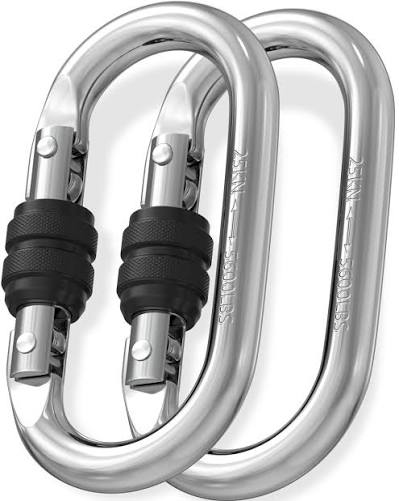
The top 5 custom carabiner suppliers in the USA are Rock Exotica, SMC, Bison Designs, Lazer Designs, and Quality Logo Products, chosen based on verified US manufacturing, certification status, and MOQ flexibility. Rock Exotica leads for climbing-grade OEM. SMC dominates fire rescue. Bison Designs handles custom shapes. Lazer Designs takes no-minimum orders. Quality Logo Products covers high-volume offshore sourcing. Comparison table below.
How To Choose a Carabiner?
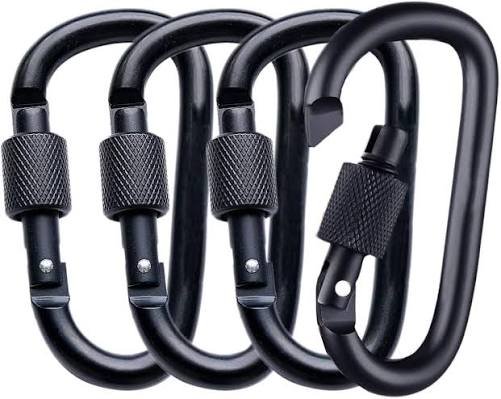
Choose a carabiner by matching three parameters to your application: shape (D or offset-D for anchors, HMS/pear for belay, oval for pulleys), gate (locking for life-safety connections, non-locking for quickdraws), and rating (look for a kN mark of 20+ on the major axis for human loads). Never use unrated accessory carabiners for any system supporting body weight.